Cold storage units play a critical role in preserving food, pharmaceuticals, and other temperature-sensitive products. While low temperatures slow down microbial growth, they do not completely eliminate pest risks. Many people assume that freezing temperatures automatically eliminate pests. However, this is a misconception. Certain pests such as rodents, cockroaches, and stored-product insects can survive in insulated zones, loading docks, and warmer pockets within facilities. In fact, pests can adapt, survive, and even thrive in certain areas of these facilities, making pest control for cold storage units a highly specialized challenge. This article explores advanced warehouse pest control strategies, practical techniques, and industry insights to help you maintain a pest-free cold storage environment while meeting safety and compliance standards.
Common Pests Found in Cold Storage Facilities
Pests are the most adaptable organisms, even in freezing environments; they can find ways to survive. Understanding their behavior is the first step toward cold storage pest prevention.
Rodents
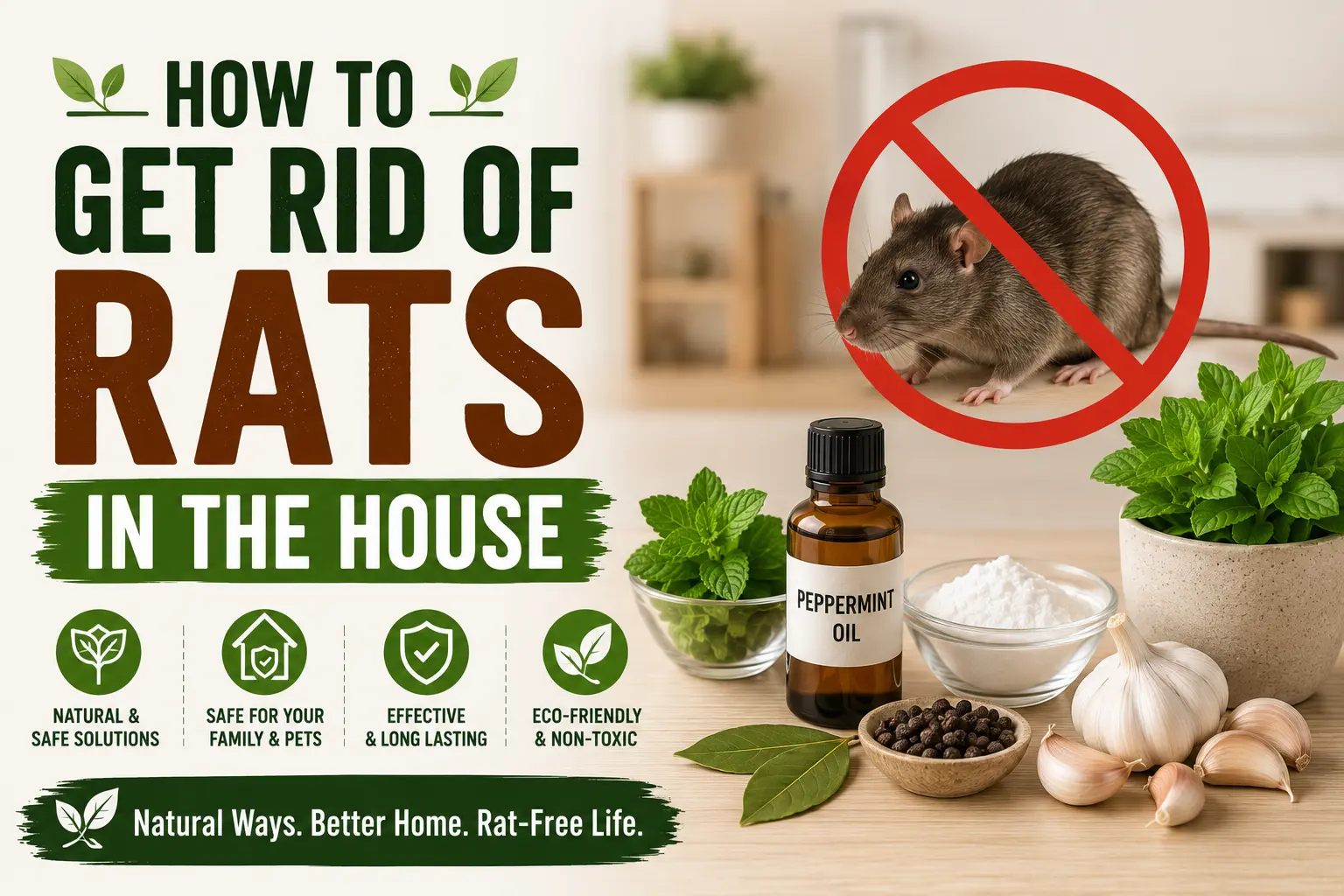
Rodents are among the most common invaders. They enter through small gaps and seek warmth near machinery.
Cockroaches
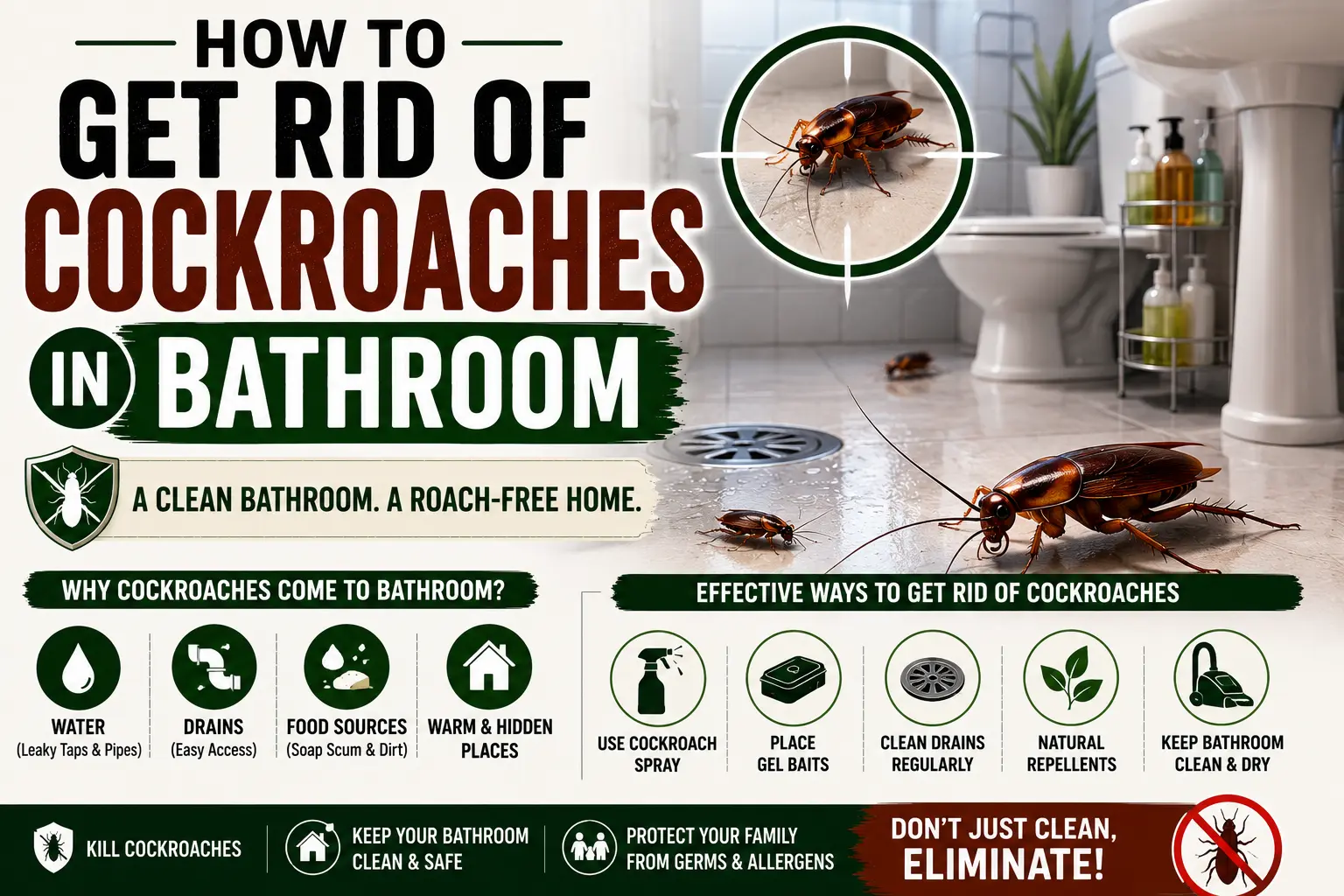
Cockroaches hide in cracks and warmer areas, especially near compressors and electrical systems.
Flies
Flies often enter during loading and unloading operations.
Stored Product Insects
Beetles and moths may infest packaging materials and food products.
Reputed companies offering warehouse pest control services mainly focus on identifying and eliminating these threats at every stage.
Challenges in Cold Storage Pest Control
Cold storage environments create unique obstacles that standard pest control methods cannot address effectively. Therefore, experts recommend warehouse pest control for cold storage units to achieve maximum effectiveness without disrupting operations.
The following challenges make cold storage pest control more complex than the traditional facility management:
- Low-temperature conditions reduces effectiveness of certain pesticides, it may slows pest metabolism but doesn’t eliminate them
- Frequent door openings allow pests to enter during operations
- High inventory turnover provides hiding spots and breeding grounds
- Reduced visibility due to frost or fog can hinder inspections
- Limited chemical options due to food safety and low-temperature constraints
Advanced Strategies for Cold Storage Pest Prevention
A successful pest management plan combines technology, hygiene, and structural control.
Integrated Pest Management (IPM): IPM is a holistic approach combining monitoring, prevention, and control. It is the backbone of modern warehouse pest control services.
Structural Sealing: Seal cracks, gaps, and entry points to prevent pest access.
Temperature Zoning: Maintain consistent temperatures to eliminate “warm pockets” where pests thrive.
Monitoring Systems: Use traps, sensors, and digital tracking tools to detect early infestations.
These methods strengthen the treatment and reduce reliance on chemicals.
Hygiene and Sanitation Protocols
Cleanliness is one of the most effective defenses against pests. It cannot be ignored either before or after the warehouse pest control services. A clean facility minimizes pest attraction and boosts treatment lifespan.
The best hygiene practices include:
- Regular cleaning schedules
- Immediate spill management
- Proper waste disposal
- Sanitization of storage racks
- Implementing FIFO (First In, First Out) inventory management
- Maintain proper ventilation
- Label and organize inventory clearly to make inspections easier
Pest Control Methods for Cold Storage Units
Not all types of treatment work in the same manner. Warehouse pest control professionals use different techniques, depending on the level of infestation and facility design.
Chemical Control
- Use low-temperature-resistant pesticides
- Apply only in non-storage zones
Non-Chemical Control
- Traps and bait stations
- Heat treatments (in controlled conditions)
- Ultrasonic repellents
Fumigation
- Used in severe infestations, but requires strict safety protocols
- Suitable for large warehouses
Each method contributes differently and makes the pest control for cold storage units more effective when applied correctly.
Cold Storage Pest Control Checklist
Different locations and areas require different prevention strategies. Here is a quick reference table for maintaining a pest-free facility:
| Area | Action Required | Frequency |
| Entry Points | Seal gaps and install door sweeps | Monthly |
| Storage Racks | Clean and inspect | Weekly |
| Waste Disposal | Remove waste promptly | Daily |
| Monitoring Devices | Check traps and sensors | Weekly |
| Facility Inspection | Full pest audit | Quarterly |
Following this checklist improves cold storage pest prevention and operational efficiency.
Closing Summary
Cold storage facilities are not immune to pest problems, but with the right strategies, they can remain safe and compliant. From advanced monitoring systems to professional warehouse pest control services, every element plays a role in maintaining hygiene and efficiency. By focusing on expert-driven pest control for cold storage units, businesses can protect their products, reputation, and bottom line. Trusting a structured approach and pest control treatment ensures long-term success in an increasingly competitive and regulated industry.
Take Immediate Action Against Cold Storage Pests
Keep your cold storage units secure with Indeed Pest Control’s specialized solutions built for extreme conditions. Our team focuses on protecting food safety, reducing contamination risks, and preserving product quality with proactive management. Don’t wait for infestations to disrupt operations, act early with expert help. Contact our team today at and strengthen hygiene standards with trusted cold storage pest control services tailored to your facility.
FAQs
Can pests survive in cold storage environments?
Yes, some pests like rodents and insects can survive in insulated or slightly warmer areas inside the facility. They enter through small gaps, damaged doors, vents, and loading docks and infest the entire food items. Warehouse pest control services treat rodents, cockroaches, flies, and stored-product insects that pose the maximum threat to cold storage environments.
Are pesticides effective in low temperatures?
Some pesticides lose their effectiveness in extremely cold environments. Therefore, pest control for cold storage units requires specialized formulations. These special chemicals and techniques function non-stopably in cold areas like refrigerators and freezers, providing constant protection.
Can insects breed in cold storage units?
Yes. Some insects can survive and breed in warmer pockets within the facility. However, we all know that pests are likely to breed and thrive in summer and humid weather but some special species have developed such immune systems that they can easily thrive in colder locations. This is why effective cold storage pest prevention measures are essential to monitor temperature variations and eliminate potential breeding zones.
How long does pest control treatment last?
Effectiveness depends on the method used and maintenance practices. The world’s best pest control treatment is going to fail if proper maintenance has not been done. Therefore, the secret of treatment longevity entirely depends on the level of hygiene and ongoing maintenance of the treated area, especially in warehouse pest control environments.
Can fumigation be used in cold storage units?
Yes, but it must be done carefully with proper safety measures and temporary shutdowns. Fumigation is especially designed to treat large and severely infested premises, making it highly effective for eliminating both visible and hidden pests. It also plays an important role in cold storage pest prevention, ensuring stored goods remain safe and contamination-free.