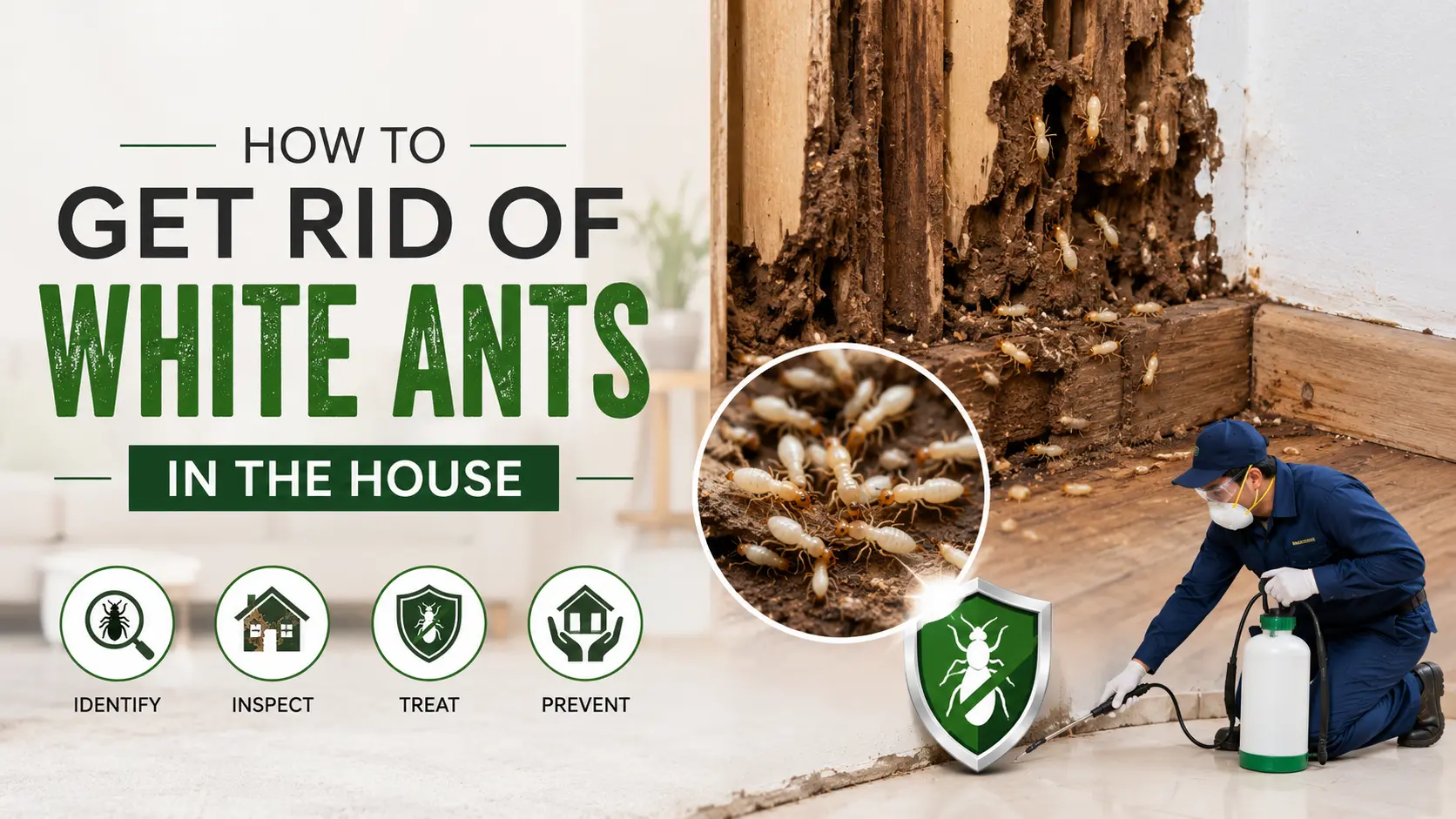
White ants, more accurately known as termites, are among the most destructive pests a homeowner can encounter. Silent, relentless, and disturbingly organised, these tiny insects can hollow out the structural bones of your home before you even realise there’s a problem. If you’ve been noticing strange cracks in your walls, papery-sounding wood, or piles of what looks like fine sawdust near your skirting boards, you may already be hosting a colony. This guide walks you through everything you need to know about how to get rid of white ants in the house, from early detection to long-term prevention.
What Are White Ants, Really?
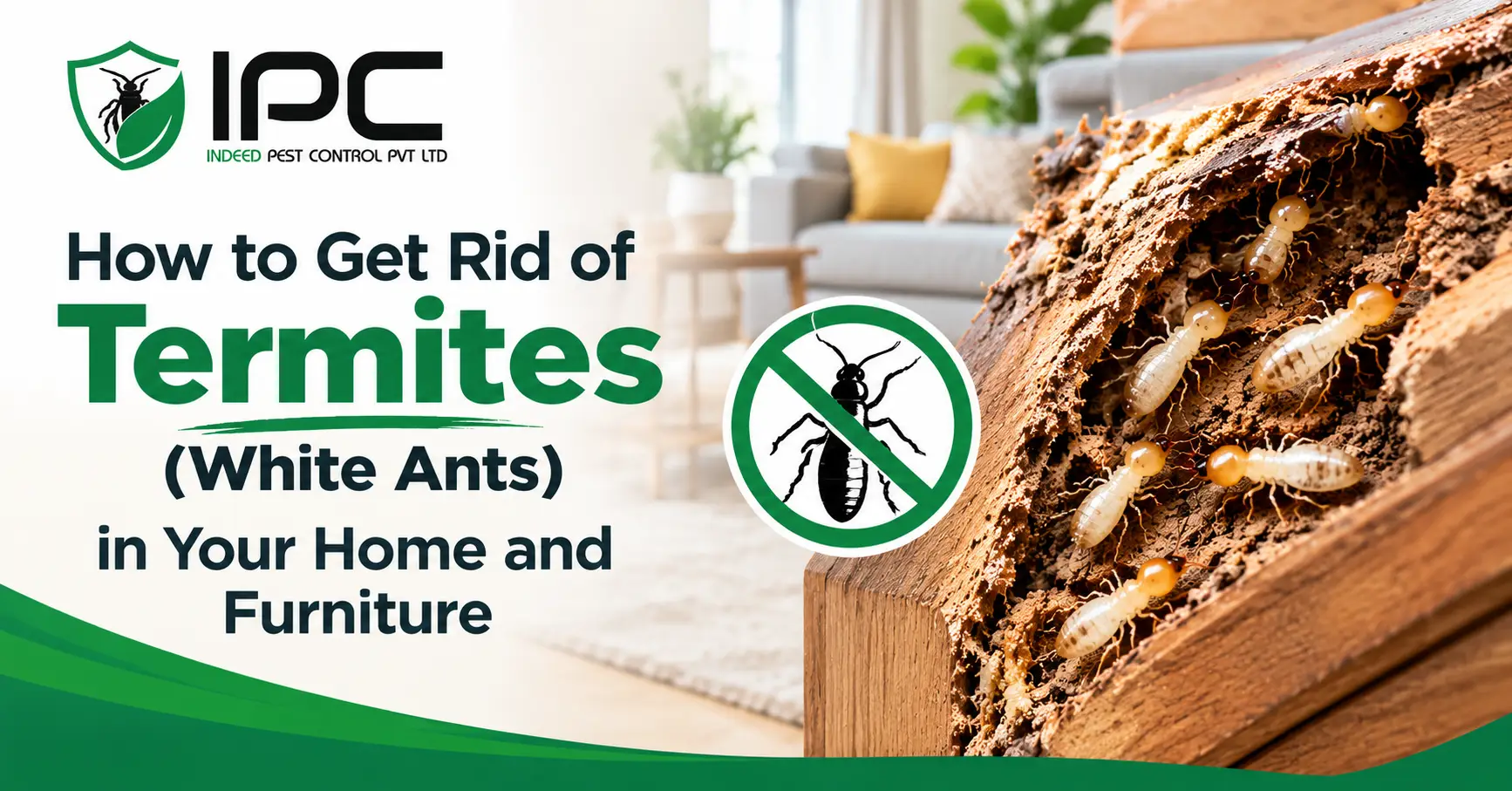
“White ants” are not ants at all. They are termites and belong to a completely different insect order, Blattodea, and are more closely related to cockroaches. The confusion arises because termites, particularly worker termites, are pale or whitish in colour and live in organised colonies, superficially resembling ants.
What makes them genuinely dangerous is their diet, cellulose. Wood, paper, cardboard, fabric, and even certain types of insulation all contain cellulose, making your home an all-you-can-eat buffet. A well-established colony can number in the hundreds of thousands, and because the workers feed 24 hours a day, the damage can accumulate shockingly fast.
Signs of Termite Infestation You Shouldn’t Ignore
The first step in dealing with any pest problem is knowing when you have one. Warning signs of termites can be subtle in the early stages, which is precisely why so many homeowners miss them until serious damage has occurred.
Here are the most reliable indicators:
Mud Tubes
Subterranean termites build pencil-width tunnels on walls to travel between their colony and food sources. Spotting these on your exterior walls or basement is a near-certain sign of activity.
Hollow-Sounding Wood
Tap your floorboards, door frames, or wooden beams. If they sound papery or hollow instead of solid, termites may have eaten through the interior while leaving the surface intact.
Discarded Wings
Reproductive termites (called “swarmers”) shed their wings near windows and doors after finding a new nesting site. A pile of tiny, translucent wings near light sources is a classic early sign of termite infestation.
Tight-Fitting Doors and Windows
As termites consume wood and their activity produces moisture, wooden frames can warp and swell, causing doors or windows to stick.
Frass
Drywood termites push their droppings (frass) out of small holes. These look like tiny pellets or fine sand and are often found near wooden furniture or walls.
If you’ve spotted any of these signs of termite infestation, it’s time to move from suspicion to action.
How to Get Rid of White Ants in the House: Step-by-Step
Step I: Confirm The Infestation
Before reaching for any product, confirm that you’re actually dealing with termites and not carpenter ants or another pest. If you’re uncertain, collect a sample insect (or photograph it) and consult a professional.
Step II: Remove Food Sources
The second step in how to get rid of white ants in the house is basic but critical. Clear right away any wood debris, old timber, cardboard boxes, or damp cellulose material from around your home’s foundation and interior.
Step III: Apply Chemical Treatments
For active infestations, the following chemical treatments are usually necessary.
- Liquid termiticides (soil treatments)
- Bait stations
- Foam and dust applications
- Borate treatments
Step IV: Heat and Cold Treatments
If you’re dealing with a localised drywood termite problem in furniture or a specific room, heat treatment is a chemical-free option. The infested item is raised to around 54°C (130°F) for at least 35 minutes, which kills termites at all life stages.
Step V: Call in a Professional
For most medium-to-large infestations, DIY measures will not be sufficient. A professional pest control service has the equipment, training, and access to higher-grade chemicals needed to truly eliminate a colony. If you’re based in the Delhi NCR area, seeking out reliable white ant treatment Gurgaon services is a smart move.
Anti Termite Cost: What to Expect
One of the first questions homeowners ask is: what will this cost me? The anti termite cost varies considerably based on several factors.
Size of The Property
A standard 2BHK apartment and a 4,000 sq ft independent house will obviously carry very different price tags. Most termite control Gurgaon providers charge after calculating per square foot.
Type of Treatment
Soil treatment (chemical barrier) tends to be more affordable but requires drilling into the floor and walls. Bait systems are often more expensive upfront but carry fewer disruptions to daily life.
Severity of Infestation
A newly detected, localised infestation will cost far less to treat than a deep, widespread colony that has spread to multiple rooms or structural elements.
Post-Construction vs. Pre-Construction Treatment
Pre-construction anti termite treatment (applied during the building phase) is significantly cheaper than post-construction treatment, because it’s far easier to apply chemicals to exposed soil and foundations before walls and floors are in place.
Always get at least two or three quotes and ask each company to itemise what’s included. The cheapest option isn’t always the most cost-effective if it doesn’t include a warranty or uses substandard chemicals.
DIY Methods to Control White Ants
If you’ve spotted any signs of termite infestation around your property, the immediate action becomes more essential than anything. There’s no question that professional treatment is the most reliable way of dealing with a serious infestation but there are some tried-and-tested natural measures exist that deter termites and prevent re-infestation.
Diatomaceous Earth
A DE is a powder made from fossilised algae that damages the exoskeletons of insects, causing dehydration. Effective against termites that come into direct contact with it.
Vinegar and citrus peels
Anecdotally used as termite deterrents, though the scientific evidence here is weak. They’re not harmful and can be used around the home without concern, but shouldn’t be relied upon for active infestations.
Cardboard Traps
Wet cardboard attracts termites (it’s cellulose and moisture combined). Placing sheets near suspected activity and then removing and burning them can help reduce numbers, but won’t eliminate a colony.
Physical Barriers
During construction or renovation, physical termite barriers made of stainless steel mesh or crushed rock aggregate can be installed in foundations and around pipes to deny termites entry routes without any chemicals.
Long-Term Prevention Strategies
Once you’ve addressed an active infestation, the goal shifts to ensuring it doesn’t come back. To save anti termite costs and future treatments, you can follow these long-term prevention strategies:
- Annual professional inspections by termite control Gurgaon providers
- Fix leaks promptly to manage moisture management
- Do smart landscaping by keeping plants, and trees well away from the foundation
- Regularly check antique or solid wood pieces periodically for frass, hollow sounds, or small holes
- Seal entry points like cracks in the foundation, gaps around pipes, and open vents
When to Call a Professional
It’s tempting to reach for a supermarket spray and hope for the best. In some very limited cases, such as when a single piece of infested furniture can be removed and treated in isolation, a DIY approach may work. But for anything involving structural wood, multiple rooms, or established colonies, a professional white ant treatment Gurgaon service is the right call.
Knowing how to get rid of white ants in the house is genuinely valuable, but the knowledge that a professional brings, i.e. colony location, treatment calibration, and safety protocols isn’t something that can be replaced by off-the-shelf products alone. The cost of professional treatment, when weighed against potential structural damage worth lakhs of rupees, is almost always money well spent.
Don’t wait for the floor to feel soft underfoot before you take action. Inspect, prevent, and treat proactively with Indeed Pest Control experts. Call now at and win the battle against white ants.
FAQs
Are white ants and termites the same insect?
Yes. White ants are also known as termites. However, their name surely presents the word “ant” but neither they are an actual ant nor belong to an ant community.
Is white ant treatment Gurgaon available for commercial properties?
Yes, many pest control providers like Indeed Pest Control offer white ant treatment to residential as well as in commercial sectors, such as offices, warehouses, hotels, restaurants, food manufacturing units, and many other commercial buildings.
When should I call a termite control expert?
If you’re tired of treating termites with DIY methods and are still noticing mud tubes, hollow wood, visible termite activity, or structural damage, then it’s the right time to call termite control Gurgaon experts.
Does painting wood protect it from termites?
Anti-termite primers or wood protection paints can create a termite protective layer to your doors, windows, and furniture. However, it doesn’t cure active infestation.
Can a newly built house get termites?
The chances of termite infestation are generally higher in older buildings but newer buildings are also not immune to it. If your property is standing in termite-prone area or you’re not following preventive measures properly, then there would be a solid chance of your newly built house getting infested.