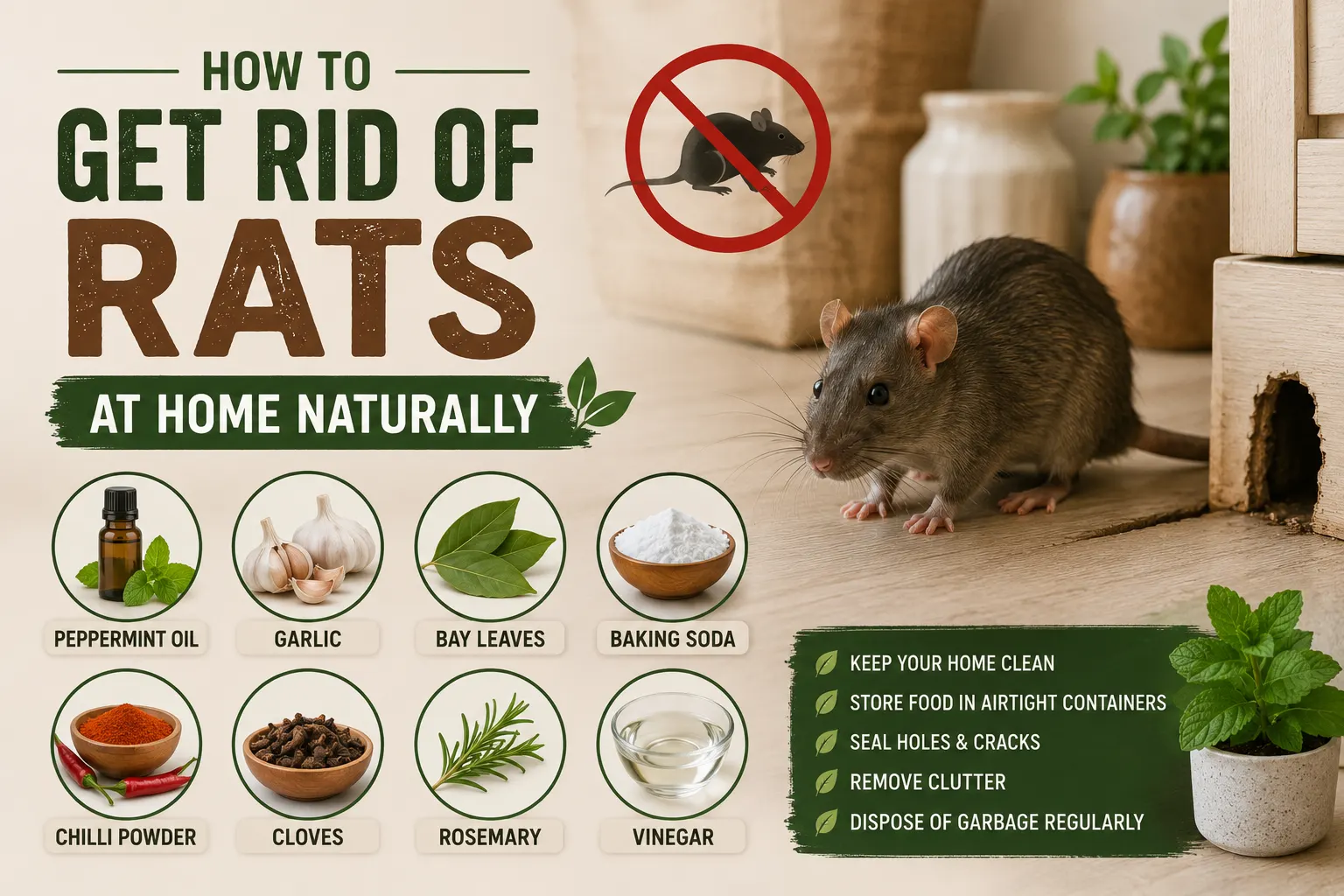
How to get rid of ants in bed is a genuine question to ask from yourself and the internet especially when they keep returning persistently like a stubborn relative. We maintain our home with all possible safest things, then why compromise with using harsh chemicals at the place where we rest peacefully. Fortunately, there are several natural and proven methods for how to get rid of tiny black ants effectively using simple household ingredients like vinegar, lemon, and neem. These remedies not only help eliminate black ants but also show results on other species as well. Families with kids and pets can also use these methods safely without worrying about harmful side effects. In this blog, you’ll learn the main causes and easy, step-by-step, chemical-free ways to keep your bed clean, safe, and completely ant-free.
Why Are There Ants in Your Bed? (Root Causes Explained)
Spotting ants in your bed isn’t random at all. It usually means something nearby is attracting them or giving them easy access to reach. Here are the most common root causes, explained clearly:
- Food crumbs or spills: Even the tiniest biscuit dust, spilled cold drink, or any other sugary item works as a quick invitation for ants.
- Sweat or scented products: Like humans, ants also are attracted to sweet-smelling body fragrances or perfumes.
- Nearby infestation: If there’s some ant colony nearby in your walls or floors, then your bed might be their route to reach their nest.
- Seasonal behavior: In humid climate, ants find your bed more comfortable and appealing.
- Cracks and gaps: Any size of crack or gap works as an easy access for them to enter your room.
Types of Ants You Might Find in Bed
Ants aren’t meant to be in your bed but severe infestations forced them to disturb your private space. Before learning how to get rid of tiny black ants, it’s important to distinguish between common ants that you might encounter.
Black Ants
They’re not dangerous but their presence displeased the atmosphere.
Feature: Small to medium (approx 3 – 6 mm) and usually black or dark brown in colour
Main Attraction: Food scraps (both sweet & greasy)
Biting Habit: Rarely bite, mostly harmless
Where Found in Bed: Wander in while searching for food
Sugar Ants
Sugar ants are available in almost every poor maintenance home. They love sugar, sugary products, and more sugar.
Feature: Very small in size (2 – 5 mm) and often found in light brown, yellow, or black in colour
Main Attraction: Sugary foods, sweets, crumbs
Biting Habit: Bite only when they feel danger
Where Found in Bed: Attracted by crumbs or sugary residue
Carpenter Ants
As the name suggests, it does carpeting. Yes, any species can invest in wood and it is very dangerous in nature.
Feature: Too large in size, say 6 – 12 mm approximately, have reddish black colour
Main Attraction: Moist or decaying wood
Biting Habit: Can bite if feel attacked
Where Found in Bed: Rare, unless infestation is severe
How to Get Rid of Ants in Bed Naturally Without Chemicals (Step-by-Step Guide)
Step I: Deep Clean Your Bedding
You must change your sheets regularly and wash them in hot water. Deep vacuuming the bed frames, mattresses, and corners also help a lot.
Step II: Use Vinegar Solution
Make an instant ready solution of water and vinegar (in equal amounts) and spray around bed legs and nearby surfaces regularly.
Step III: Apply Natural Ant Repellents
You can also apply lemon juice, cinnamon powder, and peppermint oil to infested areas.
Step IV: Seal Entry Points
Nothing will work if there is a crack in walls, floors, or windows. Sealing them is essential.
Step V: Remove Food Sources
Say no to eating in bed because their hunger trail can find the way to enter your bed.
How to Get Rid of Tiny Black Ants Using Natural Remedies
Getting rid of tiny, harmless black ants is not a rocket science. By following these natural remedies, you can break their longer chain.
- The most important part is to identify their pattern from where they’re entering (they might have multiple entry and exit points)
- Use market-based chalk along their path
- Use borax powder if the infestation is serious
- Fix leaks and keep surfaces dry
- Sprinkle turmeric, salt, or cinnamon powder near entry points to break their trail.
- Create DIY sprays of peppermint or tea tree oil
Best Natural Ingredients That Repel Ants
Vinegar: Vinegar has a strong smell that disrupts ant scent trails. You may concentrate it with water and dab it all over the corner.
Lemon: Lemon is highly acidic in nature and its juice is best to use around doors, windows, and cracks.
Cinnamon: Another strong fragrance element that ants avoid. Sprinkle cinnamon powder near entry points or ant trails for best results.
Neem: Neem is one of the oldest and strongest homemade remedies that repels not only ants, but many insects. This remedy has been approved by our ancestors as well. Applying neem oil or leaves to targeted areas reduces the ants’ population rapidly.
Mistakes to Avoid When Dealing with Ants in Bed
- Treating only visible ants and ignoring the main root cause of infestation
- Moisture attract ants, leaving spilled water can worsen the situation
- Relying on just sprays or just cleaning is not enough. A true strategy combines cleaning + barriers + repellents
- Eating snacks or keeping sweets nearby bed attracts ants quickly and can trigger infestations
- Early treatment is the only key to control ant infestation, waiting too long allows the colony to grow rapidly
How to Prevent Ants from Coming Back
- Wipe floors daily with good sanitizer to remove crumbs and spills
- Don’t leave dirty dishes or food overnight
- Seal all eatable items like sugar, cookies, sweets, and dry fruits tightly
- Fix avoidable gaps around doors and bed frames
- Keep rooms well-ventilated and dry
- Wash bedsheets and pillow covers with strong detergent at least weekly
- Clean with vinegar-water solution regularly to erase the chemical trails ants use to return
- Keep the bed slightly away from walls
Remember ants only come back when they find any of these items, i.e. food, moisture, or entry routes. If you consistently remove all three, there is no chance of them to infest your home.
When Natural Methods Don’t Work
Natural methods aren’t usually successful if the ant colony is too large. You can remove them once but they keep returning as an uninvited guest. In that scenario, seeking professional help is recommended. Experts can locate hidden nests with their tools and use targeted chemical or organic treatments that eliminate ant colonies, not just visible ones. So, if all your DIY techniques of ”how to get rid of ants in bed” start failing simultaneously then it’s a correct time to call Indeed Pest Control. Our professionals locate hidden nests and strategize the treatment accordingly without disrupting your family. Call us today at and say hello to pest-free homes.
FAQs
Q. Why do ants come into my bed at night?
Leftovers from your dinner in the form of crumbs or spills work as a magnet to ants and direct them into your bed at night.
Q. Are tiny black ants harmful?
No, tiny black ants are neither harmful nor their bite is painful. But their presence can infest food items and invite other pests like spiders, termites, or lizards.
Q. Can I sleep in my bed if there are ants?
No, sleeping on an ant-covered bed, especially if they are of carpenter species, is dangerous. They can sting or cause allergic reactions. Calling an expert who knows how to get rid of ants in bed is advisable in this case.
Q. How long does it take to get rid of ants naturally?
Getting rid of ants is not a challenging task nor is it a piece of cake. It entirely depends on the severity degree. Larger infestation demands more time and vice versa. But by following strict preventative measures and scheduling professional visits, you can smoothen the process and get rid of ants as fast as possible.
Q. What smell do ants hate the most?
Ants dislike strong scented smells such as vinegar, lemon, or neem, they are some natural repellents that deter ants. All strong scented fragrance is a big turnoff for ants.