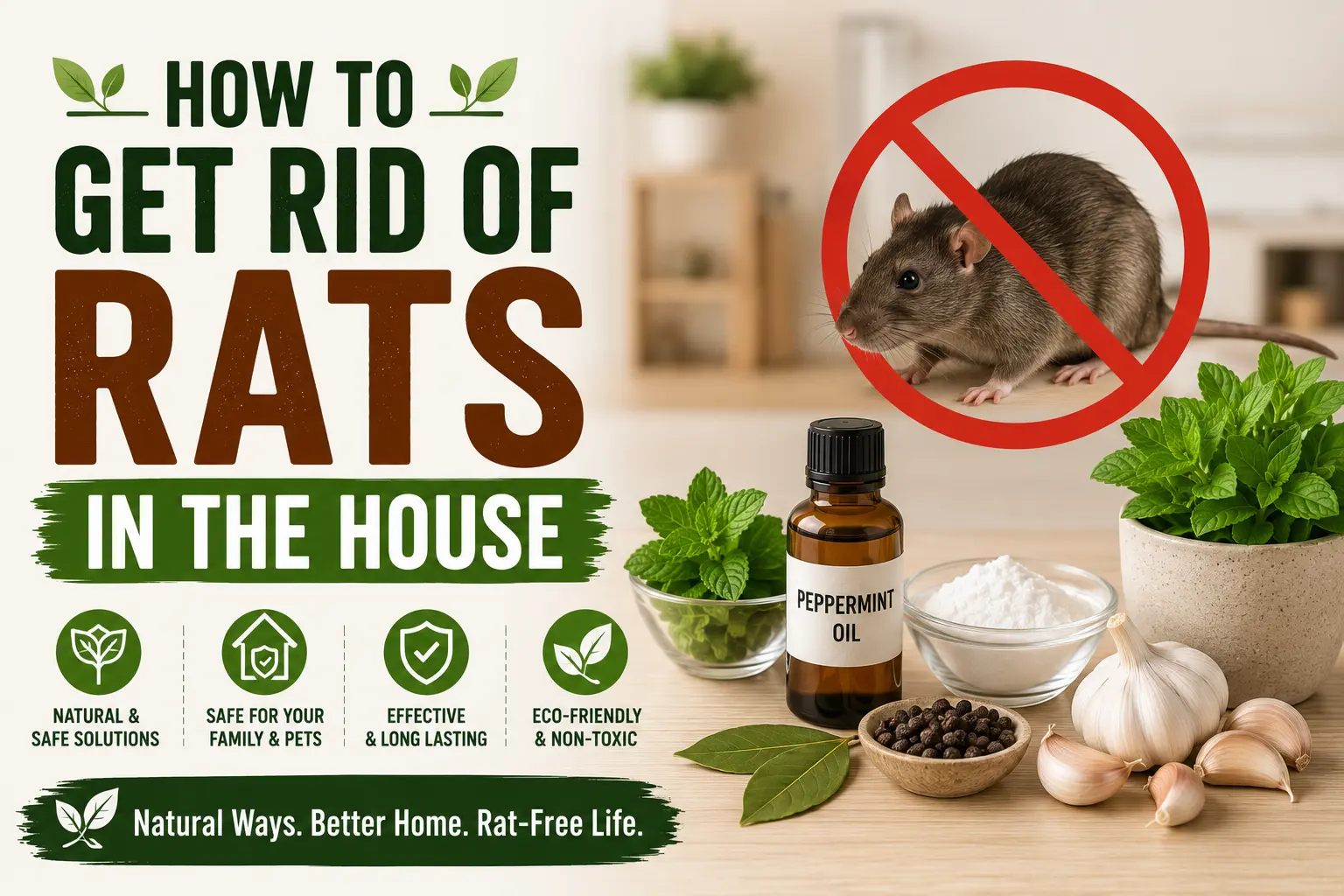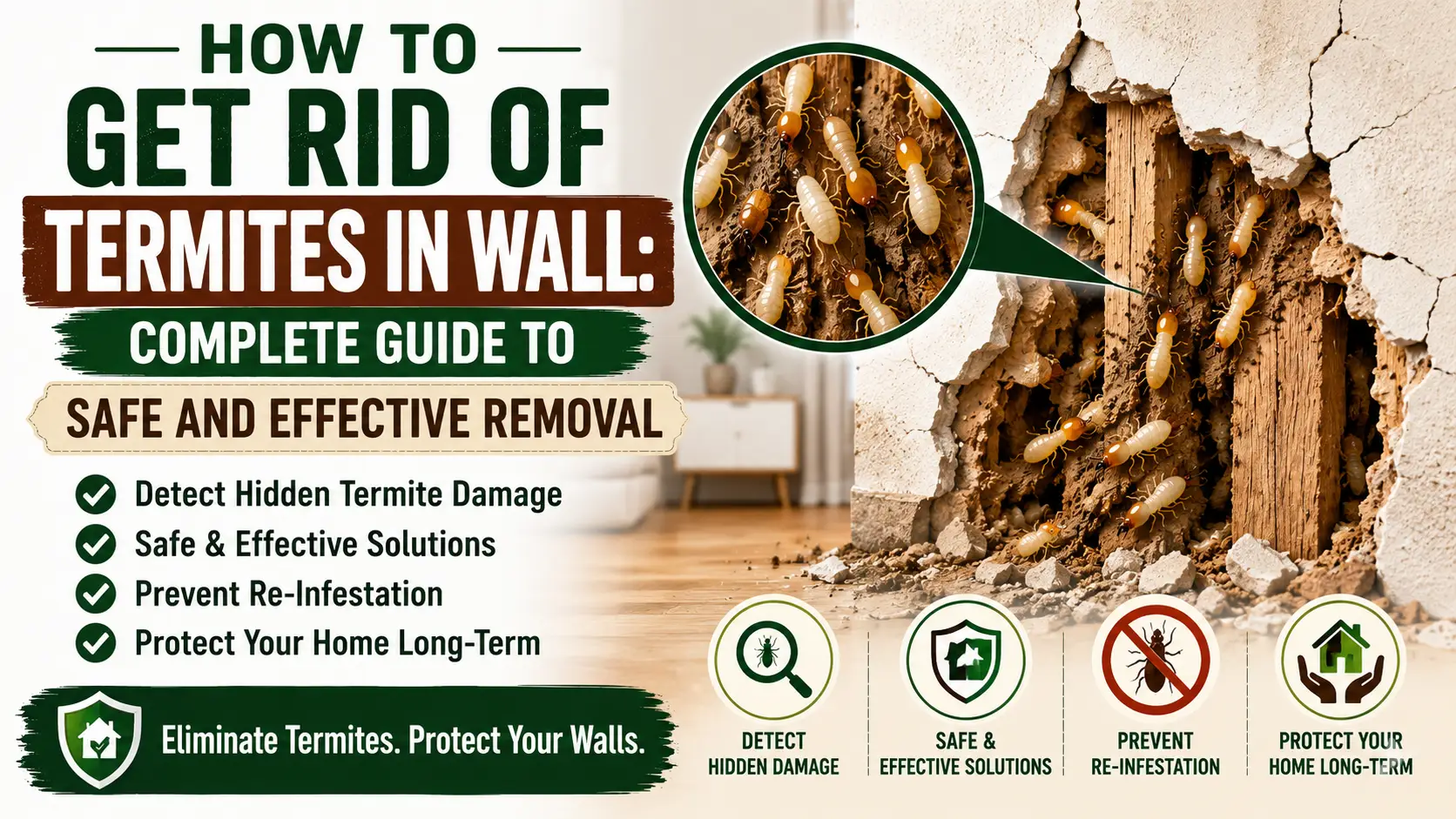
Modern pest control is no longer just about eliminating insects and rodents. It is also about protecting health, preserving the environment, maintaining regulatory compliance, and ensuring long-term cost efficiency. That is why more property owners and facility managers are adopting Integrated Pest Management (IPM) and other eco-friendly pest control strategies. Instead of relying solely on routine chemical spraying, sustainable pest management offers non-toxic, green pest control solutions combined with prevention, monitoring, biological techniques, and minimal targeted treatments. These natural methods are especially designed not to affect human and environmental health. Below, we break down the benefits of eco-conscious pest strategies across three major sectors: residential, commercial, and industrial.
Why Residential Properties Need Sustainable Pest Management
Nowadays, homeowners are shifting towards chemical-free pest control. Households with children, elderly individuals, and pets are widely accepting eco-friendly solutions rather than traditional chemical treatments that often leave residues on surfaces, furniture, and flooring.
Key Benefits for Homes
- It leaves a pleasant yet mild natural herbal fragrance of essential oils in homes, instead of strong chemicals.
- Organic pest control methods break down naturally and do not pollute soil, water, or surrounding ecosystems, resulting in enhanced indoor air quality and better living environment.
- Using non-toxic chemicals automatically reduces the chances of health-risks such as allergies, skin irritation, respiratory issues, or long-term health concerns.
- Eco-safe pest control services are generally made up of natural plant-based ingredients, reducing the risk of toxic exposure in homes, especially for families with children and sensitive individuals.
- It protects indoor plants and does not damage their growth or affect their soil health.
In India, homes are generally packed-up and share enclosed environments where any kind of chemical buildup can affect indoor air quality. Integrated Pest Management prioritizes inspection, prevention, and targeted action rather than blanket pesticide applications.
Residential Example: Ant Infestation in a Kitchen
| Traditional Pest Control | Eco-Friendly Pest Control |
| Spray chemical insecticide | Identify food source and entry points |
| Temporary reduction in ants’ population | Seal cracks and eliminate moisture |
| Possible chemical residue on surfaces | Use targeted bait stations only if needed |
| Reoccurring infestation | Long-term prevention through monitoring |
Through Integrated Pest Management, the focus shifts from killing visible ants to addressing root causes such as food crumbs, leaks, and structural gaps. Controlling the entire ant colonies is challenging and organic pest control methods from reputed providers like Indeed Pest Control deliver safer and longer-lasting results.
Why Businesses Prefer Green Pest Control Solutions
Commercial facilities are huge, including corporate offices, restaurants, hotels, retail stores, shopping malls, schools, colleges, and healthcare centers. All these places involve high footfall traffic and balancing commercial pest control with public safety and brand reputation becomes challenging. In today’s date customers expect quick and premium services along with responsible environmental practices. Eco-friendly pest control solutions enhance brand image while ensuring compliance with safety regulations.
Key Benefits of Non-Toxic Pest Control in Commercial Sector
- Compliance with health and environmental regulations
- Reduced liability risks
- Improved employee and customer safety through green pest control solutions
- Enhanced brand trust among customers and visitors
- Lower long-term maintenance costs with integrated pest management strategy
In a fast-paced, internet-oriented world, no business can afford contamination, reputational damage, or regulatory violations. Integrated Pest Management (IPM) is a non-toxic pest control method that offers structured systems and prevents infestations before they escalate.
Commercial Example: Restaurant Pest Prevention
| Risk Area | Eco-Friendly Strategy |
| Food storage contamination | Strict sanitation protocols |
| Rodent entry points | Structural sealing and exclusion |
| Cockroach infestation | Monitoring traps before treatment |
| Chemical exposure risk | Targeted application only when thresholds are exceeded |
Restaurant businesses often rely on eco-safe pest control services because chemical-free pest control methods reduce the chances of contamination risks in food preparation areas. The sole objective of every restaurant is to make its customers happy. Protecting both customers and their reputation is essential for delivering a safe and hygienic dining experience.
Why Industries Support Eco-Friendly Pest Control
Industries such as warehouses, manufacturing plants, and food-processing facilities work 24/7 and face unique pest challenges. Large structures mean bigger problems. Constant shipments, shady areas, and plenty of raw materials create ideal conditions for pests. Heavy chemical spraying in these settings can disrupt operations and pose occupational hazards. That is why Integrated Pest Management is increasingly used in industrial environments.
Key Benefits of Sustainable Pest Management in Industrial Sector
- Minimized downtime
- Reduced contamination risk
- Worker safety through eco-safe pest control services
- Environmental compliance
- Long-term structural protection
Industrial Example: Warehouse Rodent Control
| Traditional Approach | Eco-Friendly Pest Control |
| Monthly chemical baiting | Entry-point inspections |
| High risk of contamination | Installation of mechanical traps |
| Ongoing rodent return | Sanitation managing |
| Excess use of chemicals | Limited, strategic chemical application only if necessary |
Industrial facilities benefit in infinite ways from green pest control solutions because prevention is far less costly than shutdowns due to contamination. It helps ensure consistent monitoring and documentation for audits.
Go Green for Better Pest Protection
The benefits of sustainable pest management strategies extend beyond immediate pest reduction. They deliver hundreds of benefits in each sector. In residential properties, they protect families. In commercial settings, they safeguard reputation and compliance. In industrial facilities, they ensure operational continuity.
By adopting Integrated Pest Management, property owners embrace prevention over reaction. Eco-friendly pest control protects health and biodiversity. It minimizes the chances of dependency on toxic pesticides. Environmentally conscious pest control treatment is the upcoming future of our country, our world.
Protect Your Home the Natural Way With Indeed Pest Control
Indeed Pest Control is an established pest control company that has gained customers’ trust for many years, using advanced integrated pest management techniques and chemical-free treatments to eliminate pests while protecting your family, pets, and the environment. Our expert team focuses on long-term prevention, not just temporary fixes, ensuring healthier and cleaner spaces year-round.
Modern pest management is tilting towards safer, smarter, and more responsible approaches, and you should too. Contact Indeed Pest Control now at for a free consultation and maintain a high standard of safety all year.
FAQs
Is integrated pest management customizable?
Yes, Indeed Pest Control offers customizable IPM plans that are tailored to specific environments and pest issues. You can also customize plans right according to your budget.
Why do businesses prefer organic pest control methods?
Organic methods include chemical-free pest control that is safe to use in sensitive environments like hospitals and schools. It also ensures compliance with safety standards and protects brand reputation.
What pests can be managed through integrated pest management techniques?
IPM can control ants, cockroaches, termites, rodents, mosquitoes, and many more insects if practiced by well-trained pest control technicians.
What makes eco-friendly pest control cost-effective in the long run?
Eco-friendly solutions generally seem a little pricey in the beginning but their preventive strategies reduce recurring infestations and lower repeated treatment costs. Whereas chemical treatment needs reapplication in every season, increasing overall expenses over time.
Does sustainable treatment leave any odor?
No. Sustainable and non-toxic pest control methods are made up of plant-based ingredients and have mild or pleasant herbal scents.