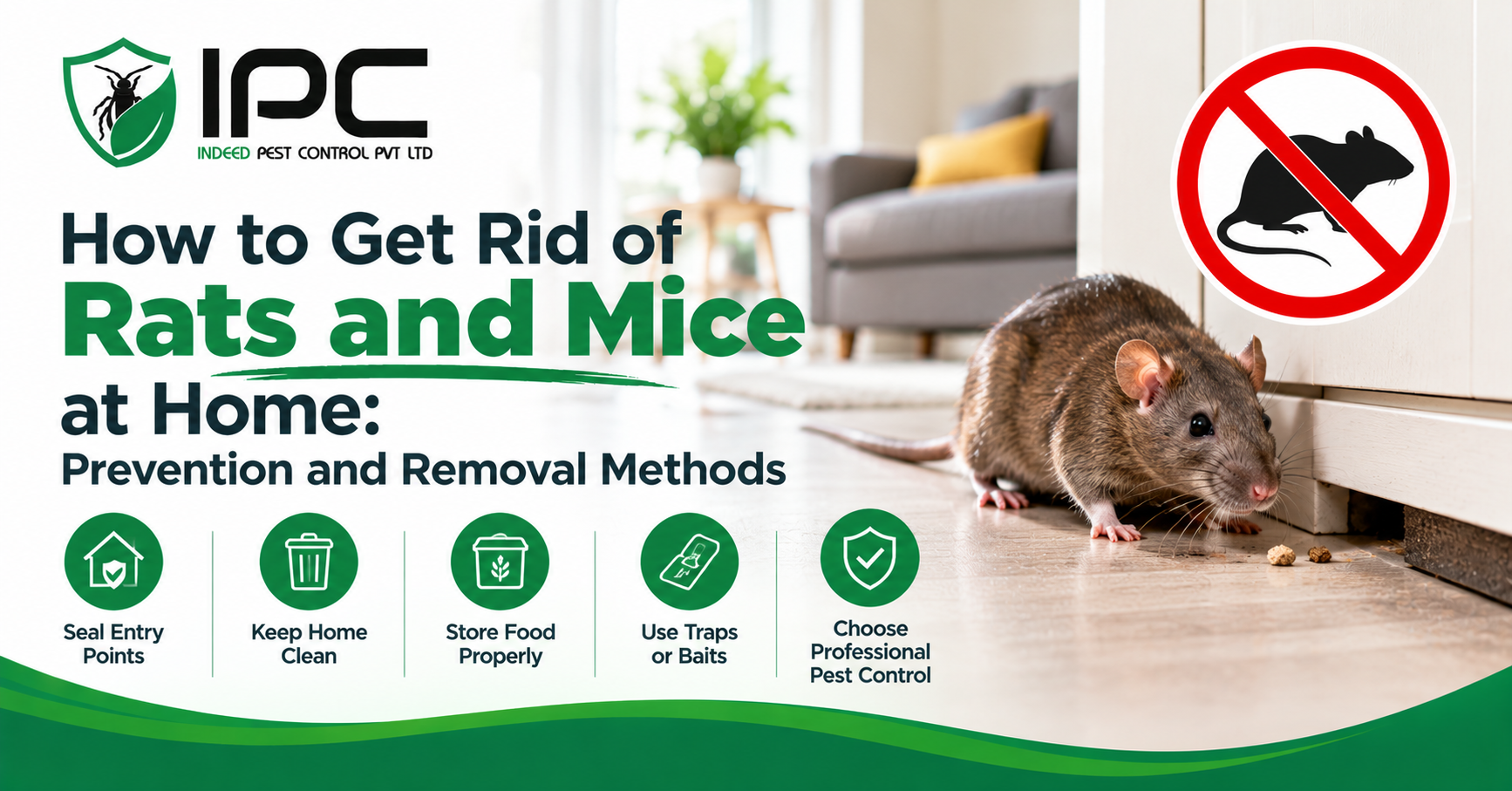

Fast-Moving Consumer Goods (FMCG) units operate in one of the most sensitive industrial environments, where hygiene, safety, and regulatory compliance are non-negotiable. Compromising on maintaining all standard instructions can lead to brand damage, financial losses, and losing customers’ trust. A well-planned pest control for FMCG facilities is not just about eliminating visible pests; it is about maintaining the dignity of your business in this highly competitive market. This article highlights advanced, technical, and practical approaches to rodent control in FMCG units because rodents are the oldest and the most persistent threat to FMCG warehouses, factories, and stores.
Understanding Rodent Behavior
Understanding rodent biology and their entry dynamics is essential for designing effective pest control for FMCG systems. Rodents such as Rattus norvegicus (Norway rat) and Mus musculus (house mouse) are highly adaptive and intelligent mammals capable of infiltrating even well-managed facilities. They might be shy at first and hesitate to interact with new items but once they become comfortable, they can escalate the infestation with a non-stop speed. One pair of mice can produce up to 200 offspring annually under ideal conditions. That’s why, controlling them with matching their speed becomes very essential to save the inventories.
Behavioral Traits
- Nocturnal activity patterns
- Neophobia (fear of new objects)
- Constant gnawing behavior due to ever-growing incisors
- Ability to squeeze through gaps as small as 6 mm
Common Entry Points
- Utility pipe gaps
- Loading docks
- Cracks in walls and flooring
- Poorly sealed drainage systems
A poorly managed entry point is often the starting point of rodent infestation in food factories, making them sealed in the proper manner blocks entry permanently.
Risks Posed by Rodents
- Microbial contamination (transmission of pathogens like Salmonella and Leptospira)
- Physical contamination (hair, droppings, and urine in food products)
- Structural damage (gnawing through packaging, insulation, and wiring)
- Regulatory non-compliance (violations of HACCP, ISO 22000, and FSSAI standards)
Integrated Rodent Management Framework
Integrated Pest Management (IPM) is a multi-layered strategy that combines prevention, monitoring, and controlling techniques in FMCG pest control solutions.
Core Components of IPM:
- Inspection and Risk Assessment
- Exclusion Techniques
- Population Monitoring
- Control Measures (Mechanical & Chemical)
- Documentation and Audit Compliance
Advanced Techniques for Rodent Control
Modern society demands modern FMCG pest control solutions that deliver instant and long-lasting results. Let’s discuss them in brief:
Structural Rodent Proofing
Rodent-proofing is the first line of defense that is necessary to get a full-proof result. In this method, technicians concentrate on blocking all entry points before commencing effective rodent control in FMCG units.
Key Measures:
- Installation of metal kick plates on doors
- Use of rodent-resistant sealants (polyurethane-based)
- Air curtains at entry points
- Fine mesh screens (≤ 6 mm aperture)
Intelligent Monitoring Systems
Digital transformation has enhanced the entire pest control treatment. Smart monitoring helps to detect early signals and control rodent infestation in food factories.
Examples:
- IoT-enabled traps with real-time alerts
- Infrared motion sensors in storage zones
- Data analytics dashboards for trend analysis
Mechanical Control Methods
Mechanical gadgets are the most widely used method since ages. Generation by generation, it gets more upgraded and effective.
Common Devices:
- Snap traps
- Multi-catch traps
- Glue boards (used cautiously in sensitive zones)
Placement strategy plays a very important role. Strategically installing devices especially near nesting zones produces fast and visible results.
Chemical Control and Rodenticides
Chemical control must be used judiciously in rodent control in FMCG units to avoid contamination risks. Anticoagulants (e.g., Bromadiolone) and acute toxins (restricted use) are the most rodenticides used for pest control for FMCG companies.
Best Practices:
- Tamper-resistant bait stations
- External perimeter baiting only
- Regular bait consumption tracking
Improper use of these techniques and chemicals by unskilled technicians can worsen rodent infestation in food factories by causing bait aversion. Therefore, it’s highly advisable to choose only a reliable pest control company.
Comparison of Rodent Control Methods
| Method | Effectiveness | Risk Level | Where to Use |
| Mechanical Traps | High | Low | Indoor areas |
| Rodenticides | High | Medium | Outdoor perimeter |
| Ultrasonic Devices | Moderate | Low | Supplementary use |
| Structural Proofing | Very high | None | Preventive strategy |
A true expert provider also uses a combination of all these methods to get the maximum best possible outcome. A balanced approach is far better than the single or most expensive technique. It defines successful pest control for FMCG units.
Hygiene and Sanitation Protocols
Sanitation is the backbone of the efficient rodent control in FMCG units. Maintaining proper hygiene repels rodents.
Daily Useful Tips
- Immediate cleanup of food spills
- FIFO (First-In-First-Out) inventory management
- Waste segregation and sealed disposal systems
- Routine deep cleaning schedules
Creating an unsuitable or unattractive environment for the rodents automatically compels them to not enter into your property. Rodents thrive in environments where food and shelter are easily accessible, so stop providing from now on by following above-mentioned useful tips on a regular basis. A good sanitation practice is a key pillar of FMCG pest control solutions.
Occasional Useful Tips
- Conduct monthly pest audits
- Train staff on pest awareness
- Maintain detailed documentation
- Use certified FMCG pest control solutions providers
- Continuously improve based on audit findings
Why FMCG Units Shouldn’t Ignore Rodent Control
In the end, we can easily conclude that pest control for FMCG sector has never been an optional service and can never be. Controlling rodents of any species is not an easy-peasy job or something that can be treated on your own. A professional interference to deal with this multi-dimensional challenge without disrupting operational hours is equally important as upholding brand trust. Ultimately, robust rodent control in FMCG units is essential for maintaining consumer trust and delivering high-quality products in a competitive market.
Get A Free Rodent Inspection
Destructions caused by rodents in FMCG units can cost more than the actual product cost. Indeed Pest Control has designed a scientifically driven, preventive ecosystem for your businesses that ensures zero tolerance for contamination. We believe your FMCG products deserve to reach consumers safely and in perfect condition. Start your pest-free journey today with us and get a secure, healthier, and more reliable production environment. Call our pest control for FMCG consultant now at .
FAQs
What is the lifespan of common rodents in factories?
Rodent species available in Gurgaon live between 6 – 12 months but their reproduction procedure is faster than a bullet train. Therefore, it becomes critical to control them before they create their own empire. Their rapid breed population can cause major destruction in your factories or warehouses, making professional rodent control in FMCG units a solo smart solution.
How does climate affect rodent activity in FMCG units?
Just like humans, rodents also love a warm environment in freezing cold. In search of shelter, cold weather drives rodents indoors that increase the infestation risk. FMCG units have plenty of food to offer, which seems like a jackpot for rodents where they can breed and eat without any inconvenience. A professional provider helps in creating a pest-free environment with tried-and-tested FMCG pest control solutions.
How do rodents contaminate food products?
Rodents are one of the unhygienic pests that carry multiple diseases along them. They contaminate food products by droppings, urine, fur, and pathogens carried on their bodies. Pest control for FMCG units becomes non-negotiable especially when it comes to customers’ health.
What causes rodent infestation in food factories?
Food factories are the most vulnerable zones to rodent infestation. Poor sanitation, easy access to food, structural gaps, and inadequate monitoring systems are all contributing to infestations. A scheduled FMCG pest control by experts minimizes the risk of infestation with a heavy margin.
What are the most common signs of rodents in food processing facilities?
Droppings, gnaw marks, grease trails, unusual odors, damaged packaging, and most importantly their present. They all are the key indicators that give surety of rodents in your food processing facilities. Professional providers offering pest control for FMCG are equipped with advanced methods and eco-friendly options to effectively control rodent population.